Basement Waterproofing: When and Why You Need It
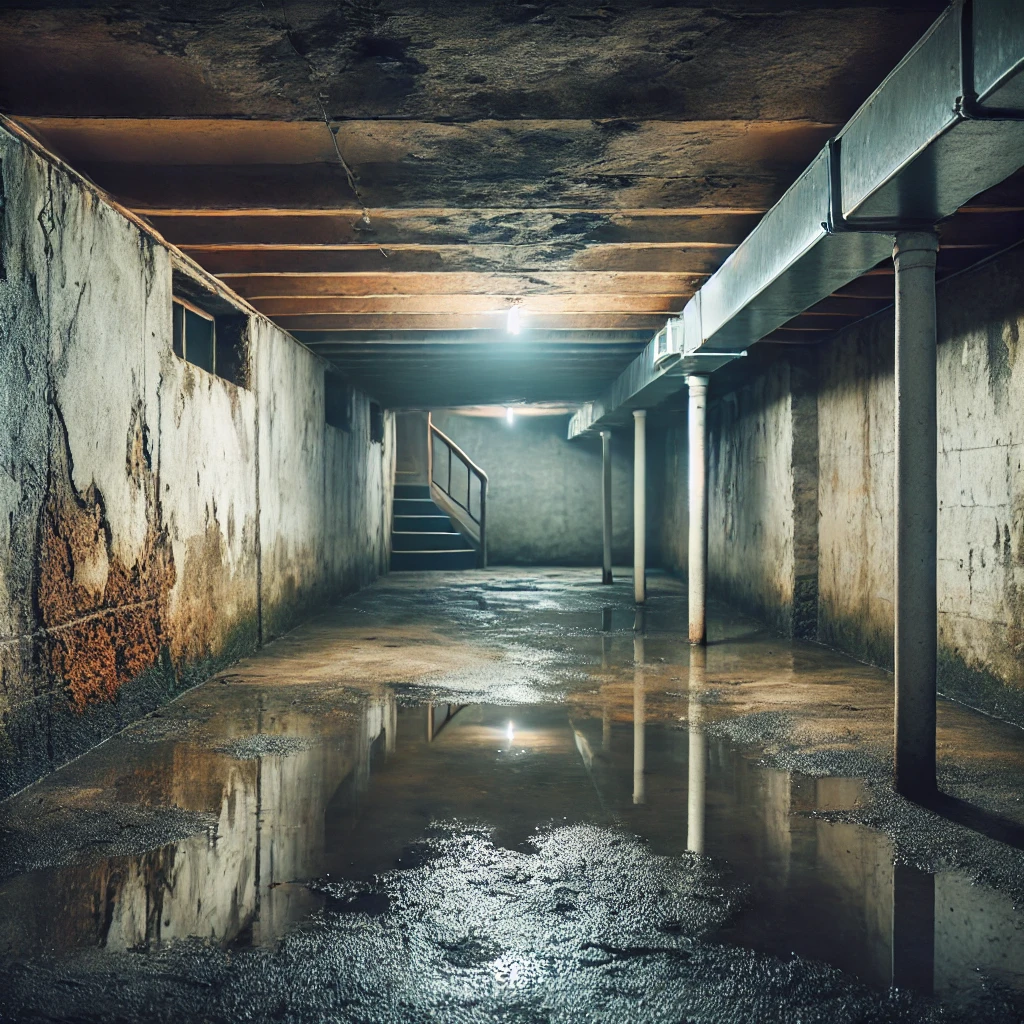
When it comes to protecting your home, one of the most overlooked (yet crucial) areas is the basement. With everything from rainwater to high humidity lurking as potential threats, waterproofing is essential for keeping your basement dry, functional, and mold-free. But how do you know when it’s time to invest in basement waterproofing? Here’s what to look for and why it matters.
1. Signs of Moisture and Dampness
If you’ve noticed damp walls, floors, or even a musty smell, these are usually the first signs of moisture. Small amounts of dampness might not seem like a big deal, but they can quickly evolve into larger issues like mold growth or even structural damage. If moisture is persistent, waterproofing is the best way to seal your basement and prevent more serious (and costly) problems down the line.
Pro Tip: Pay attention to those small damp patches. They’re often the tip of the iceberg and can indicate larger problems lurking behind your walls.
2. Water Stains and Discoloration
Water stains are another big red flag. They might appear on your basement walls, floors, or even on the ceiling if there’s a leaky pipe. The stains often look like brown or yellow patches and can be a sign of repeated or constant water infiltration. Whether it’s from groundwater, a high water table, or another source, water stains are a strong indicator that waterproofing is necessary.
3. Cracks in the Walls or Floors
Cracks in your basement’s walls or floors may appear harmless at first, but they’re actually one of the most important signs to watch for. These cracks allow water to seep in, and over time, they can widen and allow even more water (and possibly pests) into your basement. Waterproofing often includes sealing these cracks to prevent water entry and keep your basement safe.
Tip: Horizontal cracks tend to be more serious than vertical ones, but all cracks warrant attention if you want to avoid a leaky situation.
4. Peeling Paint or Efflorescence
Ever noticed white, powdery substances on your basement walls? That’s efflorescence, which occurs when water seeps through your walls, bringing salt and minerals to the surface. Similarly, peeling paint is a result of moisture trying to escape. Both of these issues are clear indicators that your basement walls are not effectively waterproofed.
If efflorescence or peeling paint appears frequently, it’s a good idea to consult with a waterproofing professional to address the underlying moisture problem.
5. High Humidity Levels and Musty Odors
A humid, musty-smelling basement can be a warning sign of water infiltration. High humidity is common in basements, but persistent mustiness can lead to mold and mildew growth, which not only damages your basement but also negatively affects indoor air quality. If a dehumidifier isn’t enough to control the humidity, waterproofing might be necessary to help manage the moisture levels in your basement.
6. Mold and Mildew Growth
Mold and mildew thrive in damp, unventilated spaces, making basements prime real estate. If you see any mold growth (often green, black, or white), that’s a strong sign of a moisture problem. Mold isn’t just unsightly; it’s also potentially harmful to your health. Waterproofing will prevent the moisture that mold needs to grow and help keep your basement a safe, healthy space.
Why Waterproofing Matters
Waterproofing your basement is an investment that saves money and stress in the long run. It prevents water damage, mold growth, and potential structural issues, all while protecting your property’s value. If you’ve noticed any of the signs above, it’s time to consider basement waterproofing. Consult with a basement waterproofing specialist to assess your specific needs, and you’ll have peace of mind knowing your basement is safe and dry.
Protect your basement, and your basement will protect your home!